by Silvia Ospina
“El canto quiere ser luz.
En lo oscuro el canto tiene
hilos de fósforo y luna.
La luz no sabe qué quiere.
En sus límites de ópalo,
se encuentra ella misma,
y vuelve.”
“The song wants to be light.
In the dark the song has
threads of phosphorus and moon.
Light does not know what it wants.
In its opal limits,
it finds itself,
and returns.”
Federico Garcia Lorca
Concept/Direction: Silvia Ospina; Creation/Performance: Ante Pavić & Silvia Ospina // Konzept/Regie: Silvia Ospina; Kreation/Performance: Ante Pavić & Silvia Ospina
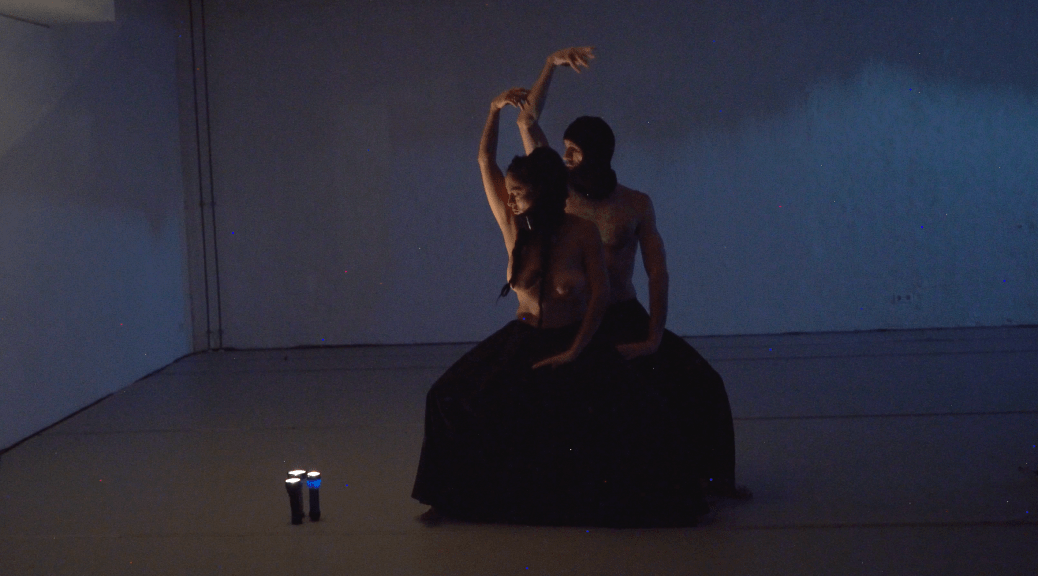
A poetic ritual of light, touch, and shadow , inspired by Andean cosmogony, where duality creates complementary balance . OPAL is a performance that unfolds like the chakana, sacred bridge of worlds—a cosmic space linking sky and earth, life and death, visible and invisible, birthing fluid temporalities.
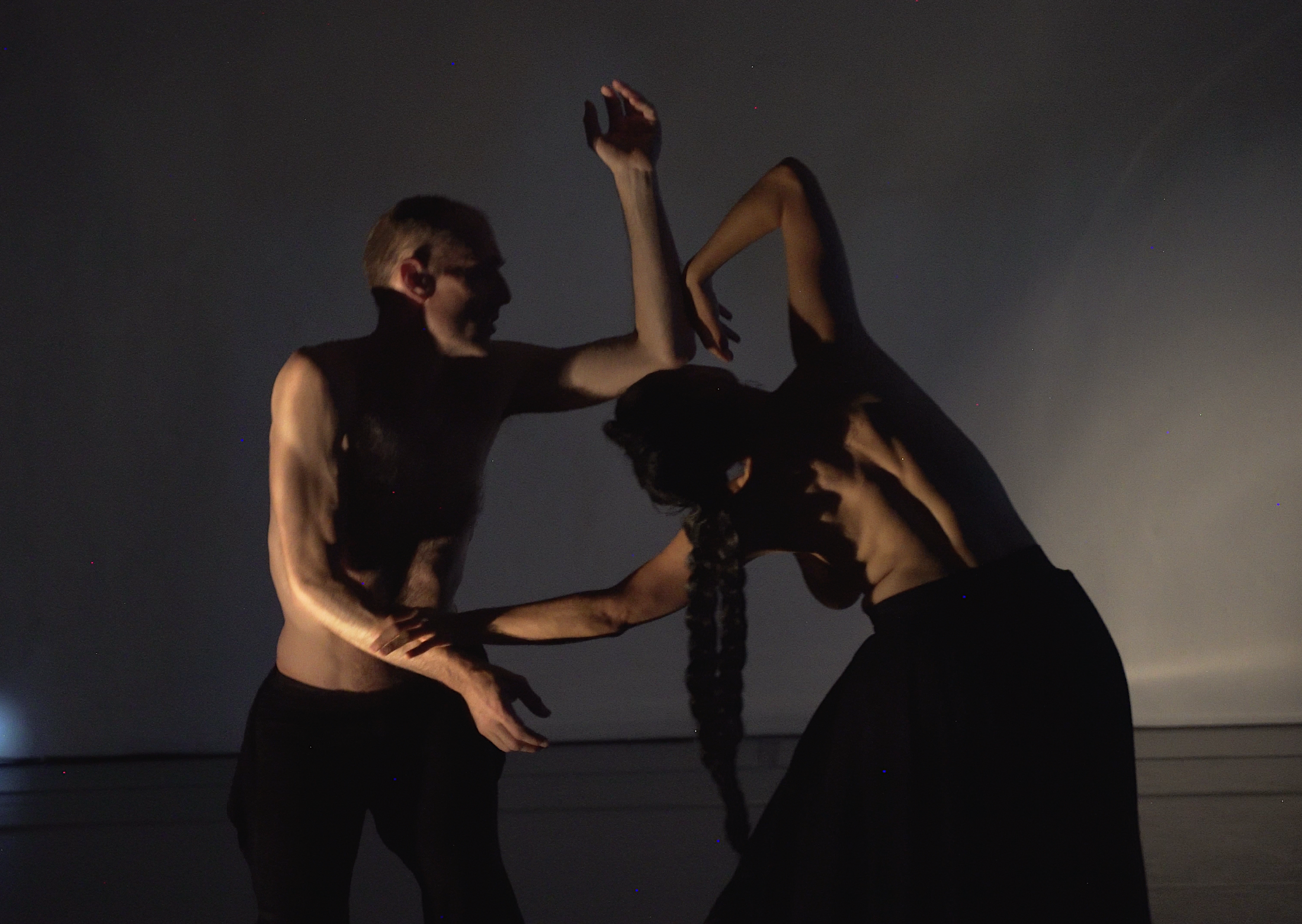
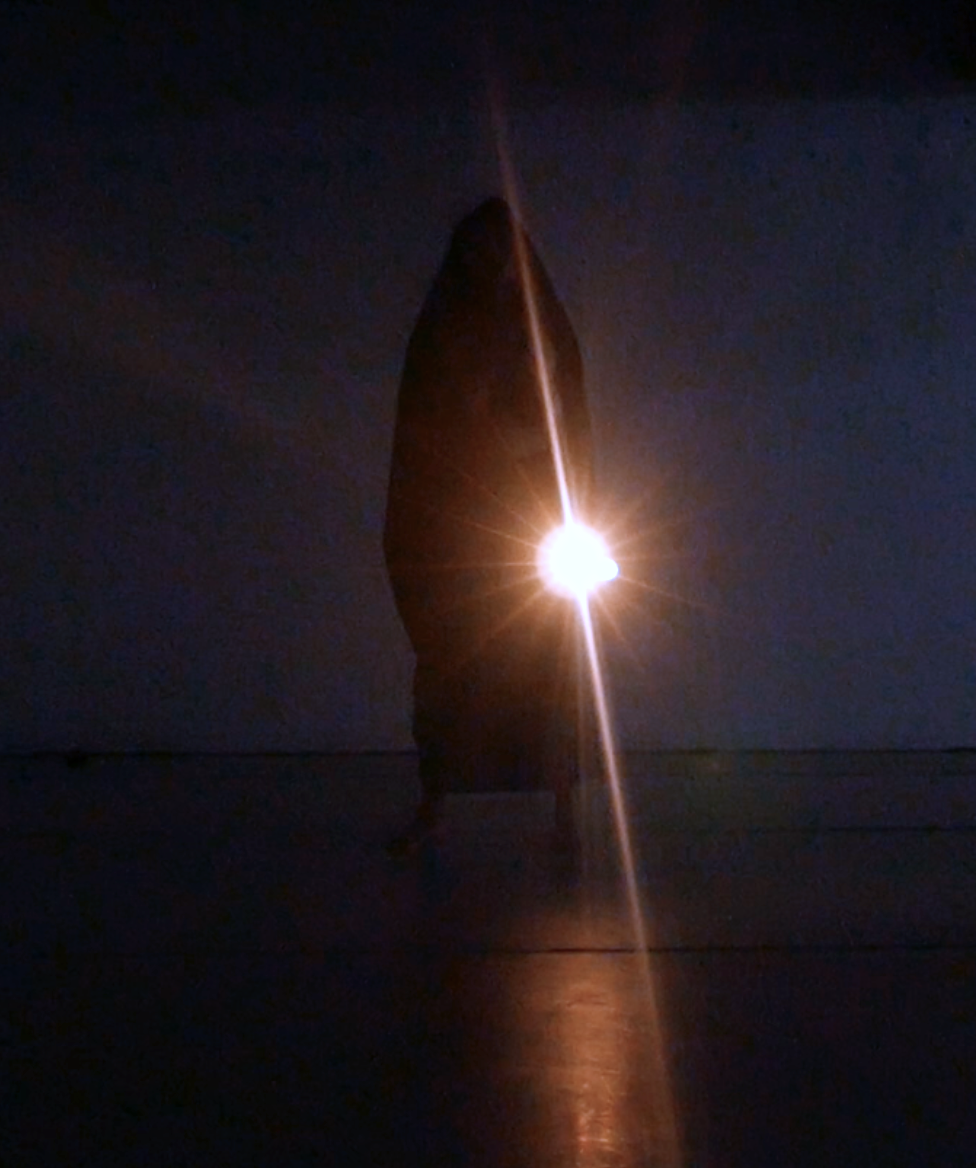
The piece discloses a silent conversation weaving desire and vulnerability, fusing bell hooks’ perspectives on masculinity and love (The Will to Change) with performance and visual imagery . Two bodies meet in darkness , like flickering flames , revealing a tactile conversation , where each gesture is simultaneously invitation and withdrawal .
.

“Opal” is al dance piece that explores touch as an act of transformation and resistance. Blending contemporary perspectives on men, masculinity, and love, proposed by bell hooks in The Will to Change, with ancestral Andean cosmogony, “Opal” embraces a new bodily narrative that challenges and reinvents traditional dualities between masculine and feminine. On stage, the encounter between man and woman unfolds as a poetic play of opposing and complementary energies: bodies seeking and retreating like flickering flames in the dark, where every gesture is both an invitation and a withdrawal, a silent conversation that intertwines desire and vulnerability.
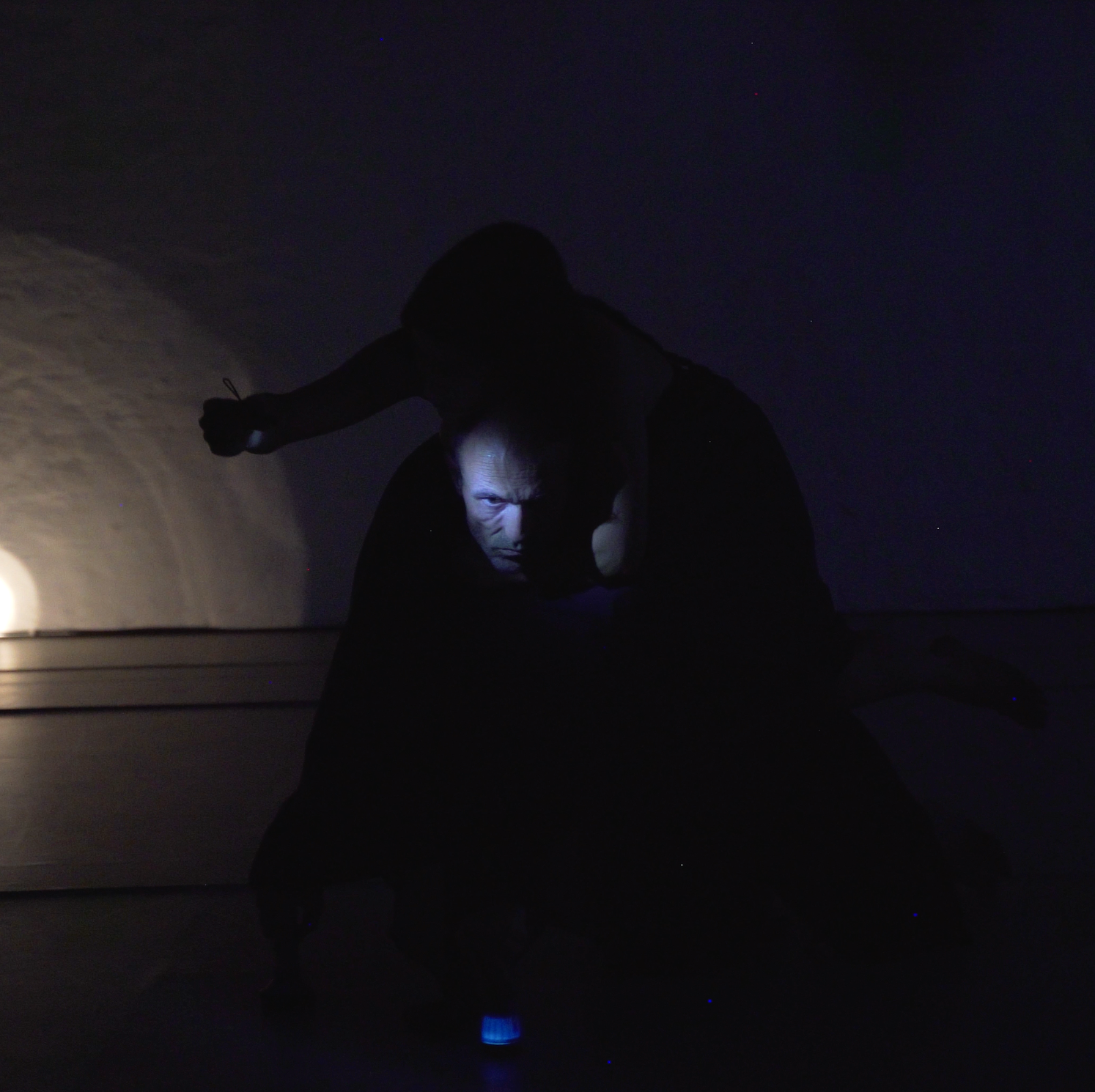
Through undulating movements that alternate between softness and intensity, the choreography reveals the alchemy of two beings who illuminate each other while confronting their own shadows. More than a dance, “Opal” is a rite of passage inviting an exploration of attraction without possession, keeping the flames of connection alive while honoring the light and darkness within every encounter.

Inspired by Andean mythology, the piece honors the idea that light and darkness are not conflicting opposites but complementary poles that sustain universal balance. Light, symbolizing life, wisdom, and fertility, coexists with darkness, a space of mystery, regeneration, and creative potential. This duality between worlds — united by the chakana, the sacred bridge of opposites — becomes the heart of “Opal,” celebrating renewal and social harmony from an inclusive and challenging perspective.
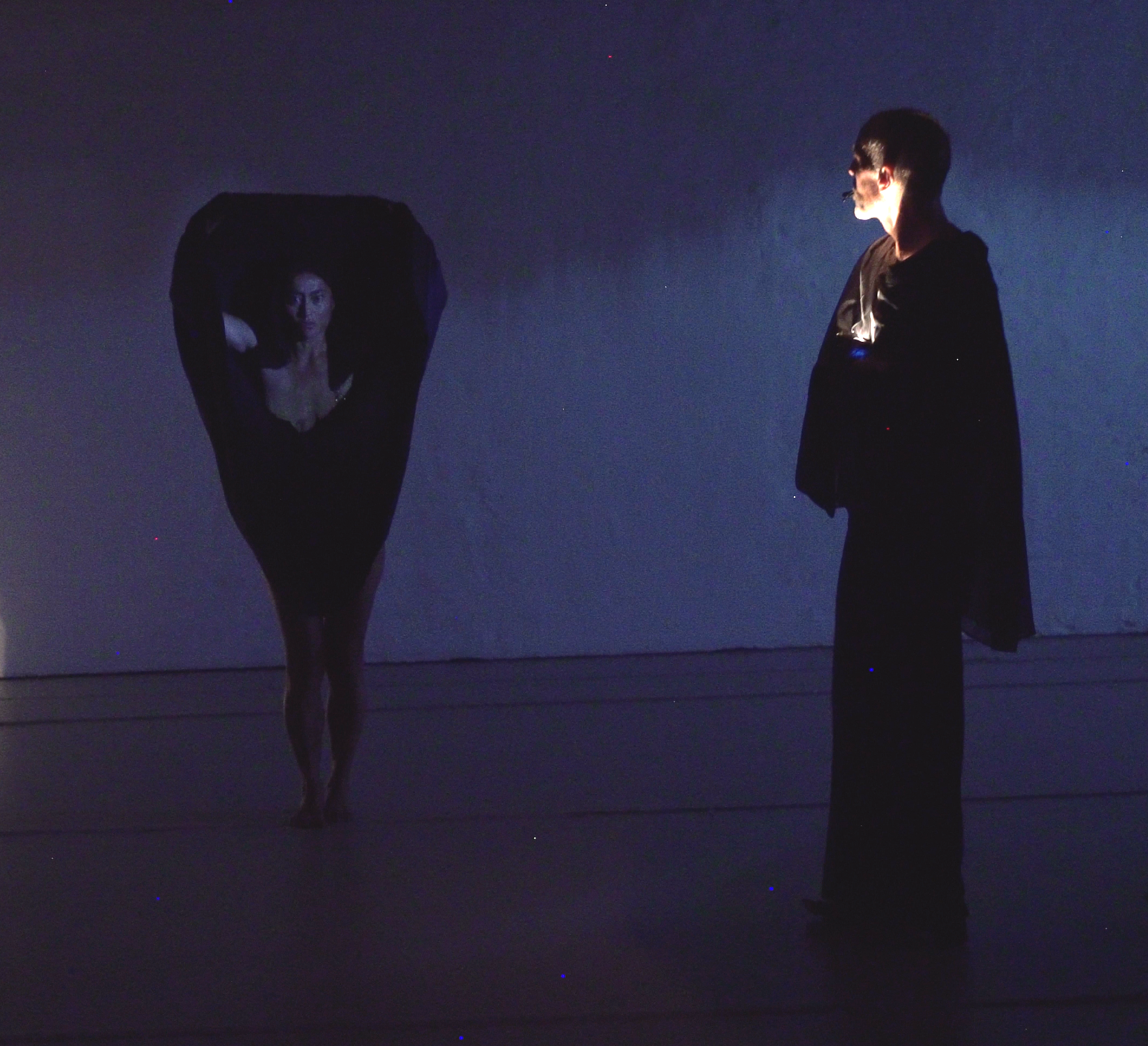
In “Opal,” these traditions converge to weave a moving narrative that transcends binarity, integrates ancestry and contemporaneity, and shapes a new vision of identity and cosmic connection that resonates with and contributes to the struggles of non-normative gender and sexuality contexts.
.
.
 SILVIA OSPINA | KÖRPER & MEDIUM